How do game developers keep players hooked on tiny screens?
Developers have moved beyond simple point‑and‑click mechanics, now offering full‑blown story arcs that release new content every 15 minutes of play. A popular action game, for instance, drops a fresh level every Tuesday, but the next chapter only unlocks after a micro‑task that takes less than a minute. This tight loop keeps players engaged and dopamine spikes frequent.
Another strategy is the “pay‑to‑unlock” model. Instead of a single upfront price, studios provide a free base game with optional micro‑transactions. In 2024, one mobile RPG recorded over 10 million micro‑transactions, each ranging from £0.99 to £4.99. That revenue stream fuels regular updates and keeps the community active.
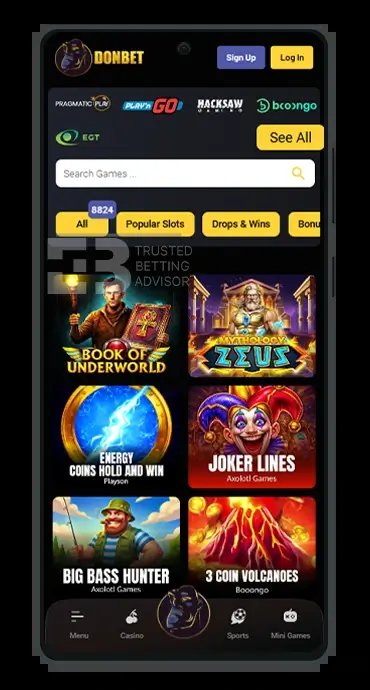
If you’re looking for an online casino that offers similar instant thrills, check out Donbet.
What’s the impact on social interaction?
Mobile platforms now weave voice and text chat directly into gameplay. A survey of 3,200 UK players found that 68% use in‑app chat to coordinate raids or trade items. The simplicity of a thumbs‑up button means conversations happen in real time, even on a train or while waiting for coffee.
Cross‑platform play is another game‑changer. A popular sports title lets you compete against friends on iOS, Android, and PC with a single account. This universality removes the friction of switching devices, making it easier to stay connected.
Are there downsides to this mobile‑first approach?
Yes. The rapid release cycle can lead to content fatigue. A study by the UK Game Developers Association found that 22% of players abandon a game after the first two major updates. Novelty fades quickly, and the constant push for new purchases can feel pressure‑driven.
Battery life is another concern. High‑graphical titles can drain a phone’s battery in under 30 minutes of play. While newer phones handle this better, older models still struggle, limiting playtime for many users.
What does this mean for the future of entertainment?
Mobile gaming blurs the line between casual and hardcore play. Players who once stuck to puzzles or match‑three games are now exploring open‑world adventures and competitive e‑sports. The result is a more inclusive ecosystem that welcomes anyone with a smartphone.
As developers experiment with augmented reality, we’re already seeing games that overlay virtual characters onto real‑world locations. In 2025, a UK‑based studio released a treasure‑hunt app that required players to visit three different pubs in London to unlock a hidden storyline. That kind of location‑based play turns everyday outings into immersive experiences.
Where can I try this new wave of mobile entertainment?
Whether you’re a seasoned gamer or just curious, the best way to get a feel for the latest mobile titles is to explore the app stores and look for games that offer free trials or demos. Pay attention to user reviews that mention update frequency and community size; those are strong indicators of long‑term support.
How mobile gaming is revolutionizing entertainment for UK players
In short, mobile gaming turns ordinary moments into interactive adventures. By combining instant access, social connectivity, and continuous content updates, it’s reshaping the entertainment landscape for players across the UK. As the industry evolves, we can expect even more innovative ways to blend gaming with daily life.
]]>